What are 1/2-inch and 3/4-inch plywood used for?
1/2-inch plywood is commonly used for wall and roof sheathing and other general construction applications, while 3/4-inch plywood is often used for subflooring, cabinetry, shelving, and projects requiring a stiffer panel. The right choice depends on the application, panel type and grade, span requirements, and project specifications.
1/2-Inch vs. 3/4-Inch Plywood at a Glance
| Comparison | 1/2-Inch Plywood | 3/4-Inch Plywood |
|---|---|---|
| Common Uses | Wall and roof sheathing, general construction | Subflooring, cabinetry, shelving, furniture |
| Weight | Lighter and easier to handle | Heavier |
| Stiffness | Suitable for many general applications | Greater stiffness and resistance to bending |
| When to Consider It | When a lighter panel meets the project requirements | When the application requires a more rigid, substantial panel |
What Is 1/2-Inch Plywood Used For?
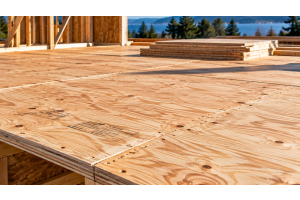
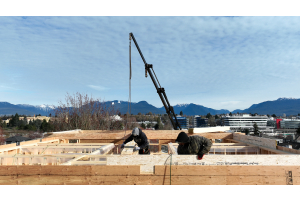
1/2-inch plywood is a versatile option commonly used for wall and roof sheathing as well as a variety of general construction projects.
Its lighter weight can make it easier to transport, cut, and handle on the job site. The appropriate use will depend on the type and grade of plywood and the requirements of the project.
What Is 3/4-Inch Plywood Used For?
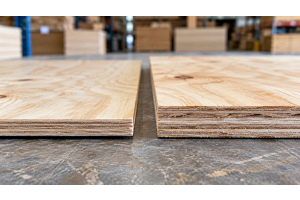
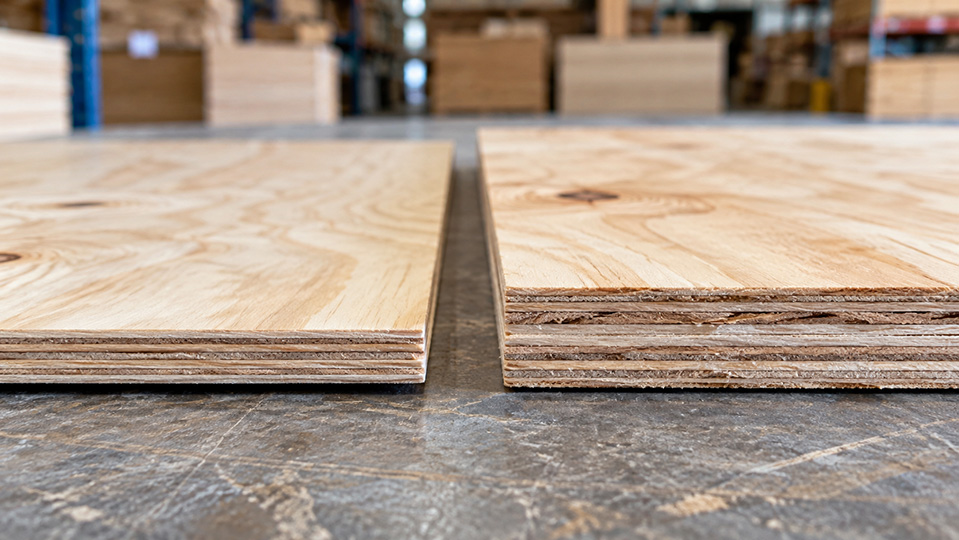
3/4-inch plywood is commonly chosen when a project calls for greater stiffness and rigidity. Depending on the type and grade of plywood, it can be used for subflooring, cabinetry, shelving, furniture, and other applications where the panel needs to resist bending or support heavier loads.
Which Plywood Should You Choose?
The best choice comes down to the job. There’s little benefit in using a heavier, more expensive panel when 1/2-inch plywood meets the project requirements. Likewise, applications requiring greater rigidity may call for a thicker panel.
Always consider the type and grade of plywood, span and structural requirements, and project specifications before making your selection.
Frequently Asked Questions
Is 3/4-inch plywood stronger than 1/2-inch plywood?
When comparing otherwise similar panels, the additional thickness of 3/4-inch plywood generally provides greater stiffness and resistance to bending. However, thickness isn't the only factor that determines a panel's performance. The plywood type, grade, construction, and project requirements also matter.
Can 1/2-inch plywood be used for structural applications?
Depending on its grade, rating, and the requirements of the project, 1/2-inch plywood can be used for structural applications such as wall and roof sheathing. Always select a panel that meets the specifications for the particular application.
Is 3/4-inch plywood always the better choice?
No. A thicker panel isn't automatically better for every project. If 1/2-inch plywood meets the requirements of the application, using 3/4-inch plywood may simply add weight and cost unnecessarily.
Find the Right Plywood for Your Project
Standard Building Supplies carries plywood in a range of thicknesses, grades, and specifications. Speak with the Standard team to find the right panel for your next project.